Autumn Stage Season
🎬 Watch videosToday's Videos
News

![260919 KIM CHAE HYUN Kep1er💿WA DA DA [8K 30P] FANCAM | Color of Aisa Shinhan University | GalaxyMaru](https://i.ytimg.com/vi/xBJJkKVSapc/maxresdefault.jpg)
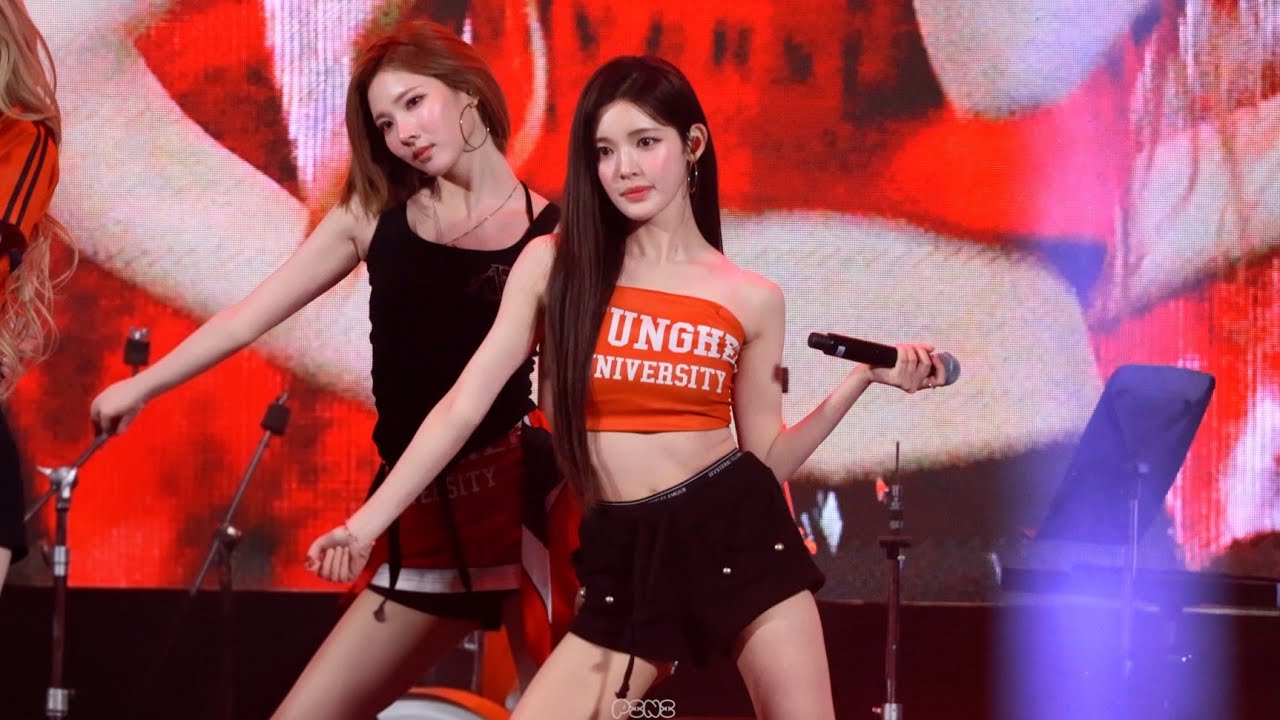
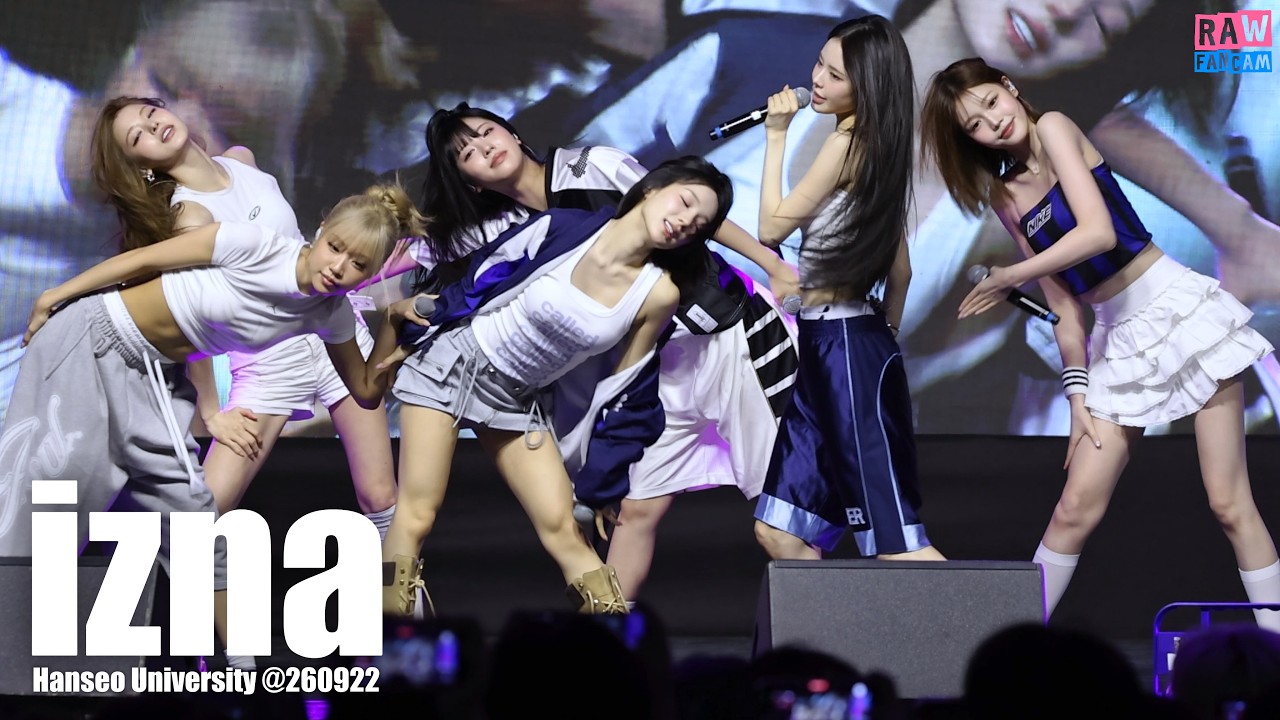
![[4K] KiiiKiii Sungshin Women's University Festival Fancam Full 260917](https://i.ytimg.com/vi/iUkb6S9Ylx8/maxresdefault.jpg)
![[4K][FANCAM] 260916 KiiiKiii KYA ‘What Should I Do + POP OFF POP OFF’ Fancam | Gachon University Festival](https://i.ytimg.com/vi/I_GxXluI7G0/maxresdefault.jpg)
![[4K 60P Fancam] 20260911 Hearts2Hearts (하츠투하츠) Ian "The Chase+STYLE+FOCUS" @ Kyonggi University Suwon Campus Festival](https://i.ytimg.com/vi/7pg-oydJ130/hqdefault.jpg)


![[4K] LIGHTSUM Dongguk University Festival #LIGHTSUM #GirlGroup #Chowon #Sangah #Nayoung #Hina #Juhyeon #Yujeong #UniversityFestival](https://i.ytimg.com/vi/FQ0OsXy1nxQ/hqdefault.jpg)

📂 Browse
Autumn Stage Season — When Summer Ends, Stage Conditions Change
Summer stages were the season of water and heat. Waterbomb and large rock festivals filled July and August, and stage videos were filmed to match those conditions. Water splashed, lights were strong, and the audience jumped.
Autumn is different. Outdoor stages continue, but as the days shorten and temperatures drop, the very nature of the stage changes. Band and acoustic lineups increase, university festivals return, and the cover dance competition season begins. If you prepare in the same way as summer, there will be points of misalignment.
What's Confirmed Now
Grand Mint Festival 2026 will be held for two days on October 17th and 18th at Olympic Park. A one-day ticket is 132,000 won, and all seats are unreserved. The configuration uses the 88 Lawn Garden, KSPO DOME, and the lakeside stage together, making movement between stages key to the viewing experience.
| Date | Announced Lineup |
|---|---|
| October 17th (Sat) | Lee Seung-yoon, Chang Kiha, Jukjae, Car, the Garden, Peppertones, Touched, Lidor, Owallolim, Hong Isaac |
| October 18th (Sun) | CNBLUE, N.Flying, Younha, Roy Kim, Thornapple, Far East Asia Tigers, Dragon Pony, ONEWE, Kkachisan |
| Additional Announcement | Ssipran (10cm X Soran), Lacuna, Bolbbalgan4 |
Ticketing is available at NOL Ticket, YES24 Ticket, Naver Booking, and Ticketlink. Since seats are unreserved, if you want a front-row spot, your entry order determines your seat.
Just looking at the lineup, it's clear that it has a different vibe from summer festivals. There's a higher proportion of bands and singer-songwriters, and more stages where the audience sits and listens rather than jumps. If you're considering filming, this difference directly becomes a condition.
University Festival Season Also Begins
Autumn university festivals are concentrated between mid-September and mid-October. Most 2026 lineups have not yet been announced, so for now, it's better to check entry methods and filming regulations before the schedule.
An increasing number of universities have changed outsider entry to a pre-reservation system, and some require separate permission for filming performances. Specific university check procedures and regulations are covered separately in Autumn University Festivals.
Filming Conditions That Change from Summer
The sun sets earlier. In late September, sunset is around 6 PM, and by mid-October, it shifts to around 5 PM. Time slots that relied on natural light in summer become dependent on artificial lighting in autumn. This is why results can be darker even with the same equipment at the same time.
Temperatures drop. Battery drain accelerates. A battery that lasted all day throughout summer might deplete earlier than expected outdoors in autumn. Packing an extra portable charger is a lesson learned early in the season.
Audience density changes. Without water, there's less pressure to push forward, and instead, with more stages for seated viewing, visibility conditions change. It's good to understand the difference between standing zones and lawn areas for viewing in advance.
The overall trend of stage videos is covered in Fancam, and competition/performance schedules are gathered in Dance & Event News.
Autumn is Competition Season for Cover Dance
In cover dance, autumn is the season for showcasing results. The structure of performing what was practiced in summer at competitions and festival stages repeats.
Competitions are often divided into preliminary video submission and the main stage. Preliminary videos allow control over the filming environment, but the main stage does not. Since stage size, floor material, and lighting are completely different from a practice room, it's necessary to re-choreograph movements to fit the stage dimensions.
For outdoor stages, there's an additional variable. The ground is often slippery or uneven, increasing the risk for slides or turns. Checking the ground during rehearsal affects both safety and performance quality.
Seasonal trends are summarized in 2026 H2 Dance Cover Trends, and competition examples are compiled in 2026 K-Pop Cover Dance Festival. For crew-based activities, Cover Dance Crews is a useful reference.
Common Issues On-Site
What should I wear to autumn festivals? Layering is the answer. Days with temperature differences of over 10 degrees Celsius between day and night are common. If the setup involves sitting on a lawn, a mat is also needed.
What time should I arrive for unreserved seats to get a front spot? It varies depending on the event and day, but it's common for queues to form two to three hours before admission begins. If you want a front spot for a specific artist, you need to move even earlier.
When are university festival lineups announced? Generally, two to four weeks before the festival. It varies by university, so checking the student council's social media is the quickest way.
What's the most common mistake when filming fancams outdoors? Not setting exposure settings in advance for after sunset. If you adjust settings after the stage begins, you'll miss the entire first song.
Background: How Autumn Stages Took This Form
University festivals are divided into two seasons, spring and autumn, due to the academic calendar. Spring festivals are held after the semester begins and before midterms, while autumn festivals are scheduled around the second semester midterms, solidifying May and September-October as the two periods.
The concentration of outdoor music festivals in autumn is decisively influenced by climate conditions. From late September, after the monsoon and heatwaves pass and typhoon impacts decrease, a period where outdoor performances can be stably held opens up. After mid-October, cold weather becomes a variable, so the actual outdoor season is short, lasting just over a month.
During that short period, festivals, competitions, and performances overlap. While not as flashy as summer, autumn is quite significant in terms of stage density.
To view regional festival schedules for the same period, opening Autumn Festival Calendar alongside it will show overlapping dates.
🗺 Map
Recommended Videos
News