Seoraksan
🎬 Watch videosToday's Videos
News


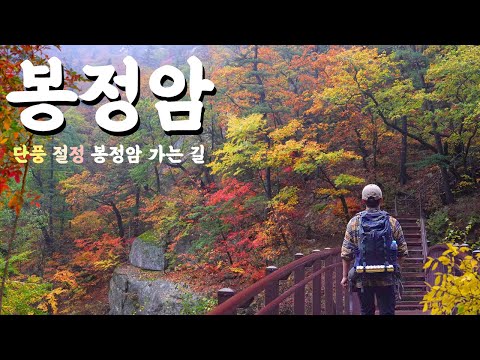


Seoraksan — Korea's Most Dramatic Mountain Landscape
If you could only visit one mountain in Korea, many locals would point you straight to Seoraksan. Towering granite peaks, deep river valleys, and legendary autumn foliage — it brings together everything that defines Korean mountain scenery in a single place. For international travelers looking to experience what Korea’s natural landscape really looks like, there is simply no better destination.
The Mountain at a Glance
Spanning Sokcho, Inje, and Yangyang in Gangwon-do, this national park is crowned by Daecheongbong Peak (1,708m). While it ranks as the third-highest mountain in South Korea, the sheer density and drama of its scenery stand unrivaled. True to its name — Seorak (雪嶽), meaning "snow-covered peak" — the winter snowscapes are equally breathtaking.
Hiking Trails — Pick by Fitness and Schedule
🟢 Beginner (Half-Day: Cable Car + Light Walks)
- Gwongeumseong Cable Car — Ascends from the Outer Seorak entrance up to Gwongeumseong Fortress in about 5 minutes. The summit treats you to sweeping panoramic views of Outer Seorak's jagged ridges, downtown Sokcho, and the East Sea. Round-trip fare is around 15,000 KRW.
- Sinheungsa Temple + Biryong Falls / Towangseong Falls Observatory — Gentle forest trails where regular sneakers are perfectly fine. An easy 2 to 3-hour walk.
- Heundeulbawi (Rocking Rock) — A popular, gentle hike accessible without taking the cable car.
🟡 Intermediate (Day Hike)
- Biseondae → Yangpok → Cheonbuldong Valley — Trails tracing the streams of Outer Seorak. The undisputed top pick for autumn foliage.
- Ulsanbawi Rock — A massive granite cliff face featuring an 800-step steel staircase near the summit. Around 5 to 6 hours round trip.
🔴 Advanced (Full-Day Summit Treks)
- Osaek → Daecheongbong Peak → Jungcheong Shelter — The shortest route to the summit, taking about 8 to 10 hours round trip. Steep and physically demanding.
- Hangyeryeong → Daecheongbong → Osaek Traverse — A serious, full ridge-line crossing. Solid preparation and gear are essential.
Getting There
- Seoul → Sokcho: Intercity/express bus takes about 2 hours and 30 minutes (from Dong Seoul Terminal or Seoul Express Bus Terminal). A high-speed KTX line is slated to open soon.
- Sokcho → Seoraksan Entrance: Local bus No. 7 or 7-1 takes roughly 25 minutes.
- Rental Car: The most convenient option. Driving routes and parking access vary depending on your starting trailhead (Hangyeryeong, Misiryeong, or Daecheongbong).
Building Your Itinerary — Sokcho as Your Base
- Sokcho Jungang Market — Famous for dakgangjeong (sweet and crispy glazed fried chicken, like Manseok or Jungang), snow crab, and seasoned raw pollock noodles (myeongtae hoe-guksu).
- Cheongchoho Lake & Yeonggeumjeong Pavilion — Scenic coastal strolls right within the city.
- Abai Village — Hamheung-style cold noodles and Abai sundae (stuffed squid/pork sausage). Try pulling the gaetbae (hand-operated raft ferry) across the channel.
- Jukdo Beach in Yangyang — The regional surfing hub during the summer months.
- Naksansa Temple — A magnificent cliffside temple overlooking the East Sea; pairs effortlessly with a Seoraksan trip.
Seasonal Highlights — Autumn Is Legendary
- 🌸 Spring (May) — Fresh green buds with far fewer crowds.
- ☀️ Summer — Cool retreats along Cheonbuldong and Baekdamsa valleys (keep an eye out for sudden heavy downpours).
- 🍁 Autumn (Mid to Late October) — Korea’s premier fall foliage destination. The final week of October, when Outer Seorak reaches peak color, is the busiest time of the year. Booking accommodations at least a month in advance is essential.
- ❄️ Winter (December to February) — Pristine snowscapes. Several high-ridge trails close for safety, making the cable car up to Gwongeumseong the easiest way to take in the winter views.
2026 Autumn Foliage — Timing and Parking Logistics
- First Foliage: Observed around Daecheongbong on September 28 (roughly 20% color change across the mountain), right in line with the historical average.
- Peak Forecast: October 20 according to the Korea Forest Service (when over 50% of trees change color), and October 25 according to private forecaster Weatheri.
- When to Visit: High-altitude summit ridges turn red by mid-October, while lower valleys like Biseondae and Cheonbuldong peak slightly later. If you can only pick a single day, aim for a weekday during the third or fourth week of October.
- Traffic Restrictions: Sokcho City implements special traffic management measures from October 3 to November 8. When the Sogongwon parking lot and access roads reach capacity, vehicle entry is restricted in phases—primarily on weekends and public holidays. Visitors are directed to free parking lots in Seorak-dong Districts B and C, connected by free shuttle buses to Sogongwon. In Yangyang’s Osaek district, 27 traffic officers and guides are deployed during the same period, and large tour buses are restricted exclusively to the Osaek Gwanter public lot.
- Accessible Travel: Even during vehicle restrictions, authorized vehicles transporting travelers with disabilities or mobility needs, as well as guests staying at Seorak-dong accommodations, are permitted entry after on-site verification.
- Illegal Parking: In the Osaek area, unauthorized roadside parking may incur double fines under both the Road Traffic Act and the Natural Parks Act.
For nationwide foliage forecasts and peak dates for other mountains, check our guide to Autumn Foliage Hotspots.
Food & Dining
- Tofu Village at the Seoraksan Entrance — Fresh handmade tofu paired with chilled makgeolli (sparkling rice wine) after your hike.
- Sokcho Dakgangjeong — The market’s signature snack; well worth waiting in line for a box.
- Sashimi & Mulhoe — Ultra-fresh raw fish and spicy cold raw fish soup around Sokcho Port and Dongmyeong Port.
- Buckwheat Noodles (Makguksu) — A refreshing regional specialty across Gangwon Province.
Insider Tips
- If you can visit during that one peak week of autumn, make it happen. Seoraksan shines in every season, but its fall colors are genuinely unmatched.
- On autumn weekends, hotels, the cable car, and local restaurants all have long lines. Visit on a weekday if possible.
- The cable car halts operations during heavy fog or high winds. It is not uncommon to arrive only to find operations suspended for the day.
- Outer Seorak (Sokcho side) vs. Inner Seorak (Inje side) feature distinctly different terrain and moods. If time allows, explore both sides.
- Entrance ticket booths and shuttles offer bilingual signage in Korean and English, but park rangers and office staff speak predominantly Korean — saving a few simple phrases or using a translation app will serve you well.
Quick Facts
- Admission: Free (National Park)
- Recommended Itinerary: 2 Days, 1 Night (based in Sokcho)
- Official Site: knps.or.kr (Seoraksan)
Verified Sources (2026 Foliage)
- Seoraksan First Foliage Observation (E-Today): https://www.etoday.co.kr/news/view/2629863
- Korea Forest Service 2026 Peak Foliage Forecast (Vegan News): https://www.vegannews.co.kr/news/article.html?no=389701
- Weatheri Gangwon Foliage Forecast (Gangwon Ilbo 2026-09-11): https://v.daum.net/v/98oVvg2ulA
- Seoraksan Foliage Season Special Traffic Measures (Seoul Shinmun 2026-09-30): https://www.seoul.co.kr/news/society/2026/09/30/20260930500136
- Sogongwon Vehicle Restrictions & Accessible Travel Support: https://idsn.co.kr/news/view/1065592582813642
Last updated: 2026-10-06
Keep exploring
More in this category
Parent category
🗺 Map
Recommended Videos
News