Boseong
🎬 Watch videos📂 Browse
Boseong Board

![Boseong Travel Vlog | From Boseong Green Tea Fields to Hidden Gems🌿A Simple Day | [vlog] [Joo-a-daum]](https://img.youtube.com/vi/eQgzbncbsRY/mqdefault.jpg)
![[4K] A Journey to the Green Land_Boseong Green Tea Fields (Daehan Dawon, Tea Field Observatory, Botjae Rest Area, Goryeohweogwan, Beolgyo's Cockle Restaurant)](https://img.youtube.com/vi/FiFxgMgp4lM/mqdefault.jpg)
![Boseong's BEST3 Restaurants: Eaten More Than Green Tea, Rivaling a Royal Feast -Boseong Edition- | [Rado, I Want to Know That Taste]](https://img.youtube.com/vi/PkkslJowV9g/mqdefault.jpg)
Boseong Travel — Too Good to Just See the Green Tea Fields
When you hear "Boseong," most people picture endless green tea fields. That's true. However, Boseong is too good a place to just snap a photo of the tea fields and leave. From mountain-slope tea fields to a beach with a sea-water green tea bath, a village that holds a page of modern Korean literature, and a port famous for cockles — if you combine them into a one-day or two-day trip, a natural "list of places to visit in Boseong" is complete. This article is organized to help first-time visitors easily plan their itinerary and find food.
At a Glance
| Category | Content |
|---|---|
| Location | Boseong-gun, Jeonnam-Gwangju Integrated Special Metropolitan City (approx. 1 hour 30 min by car from Gwangju) |
| Major Attractions | Daehan Dawon (Green Tea Fields) · Yulpo Haesu Nokcha Center · Taebaeksanmaek Literary Museum · Korean Tea Museum |
| Daehan Dawon Admission | Adult 4,000 KRW (as of 2026) |
| Signature Foods | Nokdon (green tea fed pork) · Green Tea Hanjeongsik · Green Tea Ice Cream · Beolgyo Cockle Jeongsik |
| Festival | Boseong Dahyang Festival (early May annually, free admission) |
| Recommended Duration | Day trip ~ 1 night 2 days |
| Best Season | Late spring ~ Early summer (peak greenness of tea fields) |
Must-Visit Places in Boseong
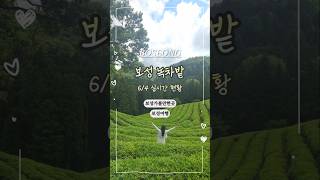
① Daehan Dawon (Boseong Green Tea Fields) — The symbol of Boseong. As the oldest green tea cultivation site in Korea, approximately 300,000 pyeong (about 245 acres) of tea fields cover the mountain ridges like contour lines. The green striped landscape seen in movies and commercials is right here. If you walk slowly from the cedar path at the entrance to the observatory, it takes about 1-2 hours. (For detailed tea field stories, restaurants, and tips for foreigners, refer to the Boseong Green Tea Fields Guide.)
② Korean Tea Museum — Located close to the tea fields, making it easy to combine with a visit. You can see the history of tea and the tea-making (製茶) process through exhibits, and even experience green tea tasting and dado (tea ceremony), making it a great place to escape the rain or summer heat.
③ Yulpo Beach · Yulpo Haesu Nokcha Center — Yulpo Beach, one of Boseong's 9 scenic spots. Its white sandy beach and pine forest create a completely different landscape from the tea fields. The adjacent Yulpo Haesu Nokcha Center is a facility equipped with both sea water baths (haesutang) and green tea baths, popular as a concluding course to relax after walking through the tea fields.
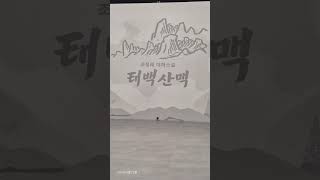
④ Taebaeksanmaek Literary Museum (Beolgyo-eup) — Beolgyo in Boseong-gun is the main setting for Jo Jung-rae's epic novel The Taebaek Mountains. Following the literary museum and surrounding literary pilgrimage routes, you can directly walk through the places depicted in the novel, adding a different kind of travel experience from the tea fields and the sea.
⑤ Deungnyang Station Street of Memories — A place where the area around a small, simple station on the Gyeongjeon Line has been decorated as an old street. If you're looking for retro-themed photos, it's a good place to stop by briefly on your way to the tea fields.
Boseong Food
Half of a Boseong trip is about the food. Around the tea fields, there are many restaurants serving pork fed with green tea (nokdon) and green tea hanjeongsik, and green tea ice cream from the tea field cafes is almost a mandatory stop. If you go down to Beolgyo, the atmosphere changes completely, as this area is nationally famous for its premium cockles (cham-kkokmak) and cockle set meals (kkokmak jeongsik). If you're looking for "Boseong green tea field restaurants," aim for hanjeongsik restaurants near the tea fields; if you're in the Beolgyo area, look for the cockle street.
How to Get There
- Train: The Mugunghwa train on the Gyeongjeon Line departs from Gwangju Songjeong Station and reaches Beolgyo–Joseong–Yedang–Deungnyang–Boseong Station. It's a slow train, so it takes time, but the scenery outside the window is superb. It's good for combining Beolgyo (Taebaeksanmaek Literary Museum, cockles) and Boseong (tea fields) on one route.
- Bus: There are intercity and rural buses connecting Gwangju to Boseong and Yulpo, with some extending service to Yulpo. If using public transport, transfer to a Yulpo-bound bus at Boseong-eup Terminal.
- Car: Since the tea fields, Yulpo, and Beolgyo are spread out, renting a car or driving your own car is the most convenient.
Recommended One-Day Itinerary
Deungnyang Station (Street of Memories) → Daehan Dawon (morning, tea fields when the light is good) → Korean Tea Museum → Lunch (green tea hanjeongsik, nokdon) → Yulpo Haesu Nokcha Center (afternoon relaxation) → Taebaeksanmaek Literary Museum · Beolgyo Cockle Street (evening). For an overnight stay, we recommend an itinerary where you stay in Yulpo and leisurely explore Beolgyo the next day.
When is the Best Time to Visit?
The greenness of the tea fields is at its peak in late spring ~ early summer. Every year, the Boseong Dahyang Festival (tea festival) is held around May in Boseong, attracting many visitors during this period (check Boseong-gun Culture and Tourism for specific schedules and events). In winter, a light festival illuminating the Daehan Dawon area is also held, so checking seasonal events before your visit can help prevent a wasted trip. The light in the tea fields is best in the morning and late afternoon, and there is little shade at noon in midsummer, so be sure to bring a hat and water.
Frequently Asked Questions
Q. How much is the admission fee for Boseong Green Tea Fields (Daehan Dawon)? A. As of 2026, it is 4,000 KRW for adults. Walking slowly from the cedar path past the entrance to the observatory takes about 1-2 hours. For details on the tea fields and restaurants, check the Boseong Green Tea Fields Guide.
Q. When is the Boseong Dahyang Festival held? A. It is held annually in early May, and admission is free. In 2026, it is scheduled for around May 1-5, with experience programs such as tea leaf picking and tea making. Please check Boseong-gun Culture and Tourism for the exact schedule before your visit.
Q. When are the Boseong Green Tea Fields most beautiful? A. The peak is in late spring to early summer when the tea fields are at their deepest green. Aim for the morning and late afternoon when the light is good, and since there is little shade at noon in midsummer, it's a good idea to bring a hat and water.
Q. Where are the best restaurants near Boseong Green Tea Fields? A. Near the tea fields, there are many restaurants serving pork fed with green tea (nokdon) and green tea hanjeongsik, and green tea ice cream from the tea field cafes is popular. If you go down to Beolgyo, you can enjoy nationally famous premium cockles (cham-kkokmak) and cockle set meals (kkokmak jeongsik).
Why Boseong?
Boseong is called the "Capital of Green Tea," but when you actually visit, its true charm lies in being able to experience all four aspects — tea fields (mountains) · sea-water green tea baths (sea) · literary pilgrimage (village) · cockles (port) — within a short itinerary. It transforms a place known only as a photo spot into a destination for walking, relaxing, eating, and reading. If it's your first time, follow the itinerary above; if it's your second, expand your exploration to nearby tea field cafes or Beolgyo alleys.
🗺 Map
Today's Videos
News


![Boseong Travel Vlog | From Boseong Green Tea Fields to Hidden Gems🌿A Simple Day | [vlog] [Joo-a-daum]](https://i.ytimg.com/vi/eQgzbncbsRY/hqdefault.jpg)

