Sangumburi Crater
🎬 Watch videosToday's Videos
News


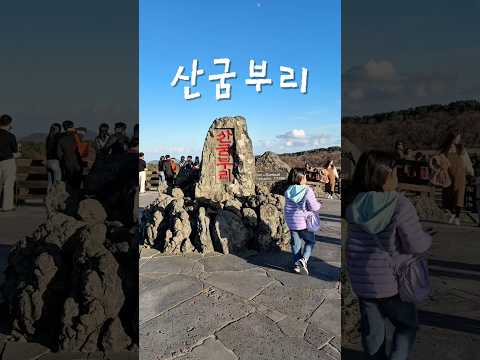



Sangumburi — Jeju’s Flat Maar Crater You Can Walk in 40 Minutes
Admission is 7,000 KRW for adults. Doors open at 09:00, while closing times vary by season. Silver grass reaches its peak from mid-October to early November. Here is a practical guide as of October 2026, covering seasonal closing hours, Bus 212 transit details, and a seamless itinerary combining the crater with the nearby Gyorae-ri area.
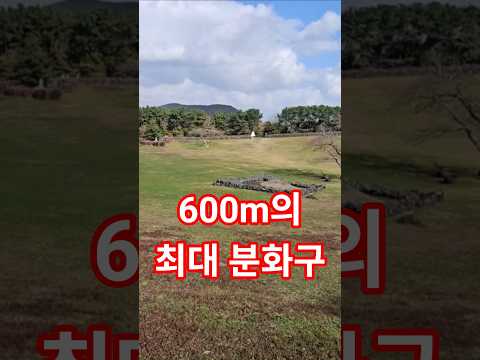
Sangumburi has no mountain peak. Unlike the rising volcanic cones (oreum) dotted around Mount Hallasan, this is a maar crater—a flat plain hollowed out from beneath. Created purely by an explosive eruption without spewing lava, it is virtually the only known crater of its kind in South Korea. Designated as Natural Monument No. 263, its crater circumference stretches over 2 km. Documented depths range between 100 to 140 meters, often cited as deeper than the crater lake at Baengnokdam atop Hallasan. Because you don't have to scale a mountain ridge from the entrance—you simply follow a scenic walking trail along the crater's rim—a leisurely 40 minutes is plenty of time to take it all in.
Check Opening Hours First
While opening time is always 09:00 year-round, closing hours shift by season—a detail that catches many visitors off guard.
| Period | Operating Hours | Last Admission |
|---|---|---|
| Mar–Jun · Sep–Oct | 09:00 – 18:40 | 18:00 |
| Jul–Aug · Nov–Feb | 09:00 – 17:40 | 17:00 |
Surprisingly, midsummer (July–August) closes early at 17:40, identical to winter hours. If you assume "it's summer, so it must stay open late" and arrive at 5:30 PM, you will miss ticket sales. The late silver grass season poses a similar trap: while last entry is 18:00 in October, it moves an hour earlier to 17:00 starting November 1. It is open year-round, but gates may close earlier during severe weather.
- Address: 768 Bijarim-ro, Jocheon-eup, Jeju-si
- Inquiries: 064-783-9900
- Pets are not allowed.
Admission (As of October 2026)
| Category | Individual |
|---|---|
| Adults / College Students | 7,000 KRW |
| Youth / Children | 6,000 KRW |
| Seniors (65+) / Jeju Residents / National Meritorious Persons / Disabled Visitors | 5,000 KRW |
Valid ID or documentation is required for discounted rates. Group rates require separate inquiry. Older promotional materials might still list adult tickets at 6,000 KRW, but the pricing posted at the ticket counter takes precedence. Parking is free.
The Walking Trail
Past the ticket gate, the trail splits into four distinct paths: Korean Fir Path, Stair Path, Silver Grass Path, and Jeju Stone Path. While mostly gentle, the trail includes short inclines, rocky stone paths, and stepped sections, making full circuits difficult for strollers or wheelchairs. Comfortable sneakers are recommended.
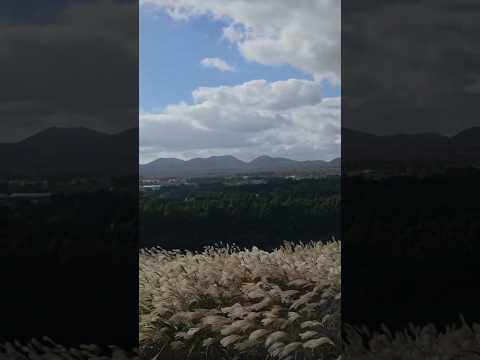
You do not descend into the crater; instead, you walk along its perimeter. The highlight is peering down into the crater floor while taking in panoramic views of neighboring volcanic cones (oreum) rolling across the horizon. Sun exposure creates stark contrasts in vegetation on different sides of the crater wall, an intriguing detail that brings the landscape to life. If you plan to take plenty of photos, budget about an hour.
Seasonal Highlights
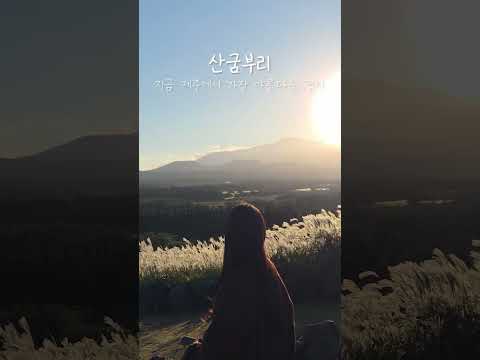
Autumn (October–November) — The most popular time to visit. Silver grass begins flourishing in October and peaks from mid-October to early November. It remains scenic until mid-November, after which the plumes fade. Photos turn out best in the late afternoon when the low sun backlights the grass into shimmering silver. Situated in the mid-mountain zone, the wind can be brisk, so bring a windbreaker if visiting in November.
Spring (April–May) — Fresh green sprouts replace the dried grass, tinting the crater slopes vibrant lime green. With smaller crowds, this is the best season for a peaceful, tranquil stroll.
Summer (June–August) — The forested basin inside the crater reaches its deepest, lushest green. Just keep in mind that gates close early at 17:40.
Winter (December–February) — Fresh snow outlines the crater's rim in crisp white. Mid-mountain roads can occasionally be restricted after heavy snowfall, so check road conditions if driving a rental car.
To compare timings with other silver grass spots across the country, check Nationwide Silver Grass and Pink Muhly Spots.
Guided Tours & Schedules
Listening to a guide makes a world of difference compared to walking alone. Without context, it is easy to overlook why the crater hollowed out without forming a peak or why the interior vegetation differs so dramatically from the outside.
Tour Times — 09:30 · 10:30 · 14:00 · 15:00 · 16:00 Tours do not run on Tuesdays and may be canceled in rainy weather. Inquire at the ticket booth upon arrival for that day's schedule.
Getting There — Bus and Rental Car
By Bus: Take Bus 212 from Jeju Intercity Bus Terminal. The route passes Jeju City Hall, Jeju National University Entrance, and Saryeoni Forest Trail before stopping right at Sangumburi. With intervals ranging from 62 to 85 minutes, check the return schedule immediately after getting off. Missing a bus can leave you stranded for over an hour.
By Rental Car: Located along Bijarim-ro (Route 1112), it is easily accessible from both Jeju City and the eastern districts of Gujwa and Seongsan. The parking lot in front of the main gate is free. Weekend afternoons during peak silver grass season get crowded, making morning visits much smoother. Bijarim-ro itself is famous for its scenic cedar-lined drive, turning the commute into part of the sightseeing experience.
Half-Day Itinerary: Pairing with Gyorae-ri
Gyorae-ri in Jocheon-eup, where Sangumburi is located, is packed with mid-mountain attractions that make it well worth combining into a broader day trip.
| Attraction | Highlights | Notes |
|---|---|---|
| Saryeoni Forest Trail | Cedar and sawtooth oak forest walk | Accessible via Bus 212 |
| Gyorae Natural Recreation Forest | Gotjawal woodland trail | Focus on hiking |
| Jeju Stone Park | Stone and mythology theme park | Closed Mondays |
| Eco Land | Forest train theme park | Great for families |
| Gyorae-ri Native Chicken Village | Village specializing in native Korean chicken dishes | Check reservations for multi-course meals |
A comfortable half-day route looks like: Sangumburi (40 mins) → lunch in Gyorae-ri → Saryeoni Forest Trail or Jeju Stone Park. If you have a full day, consider pairing this with a hike up Hallasan or heading south toward Seogwipo to visit Hueree Natural Park.
Frequently Asked Questions
- How much is admission? As of October 2026, admission is 7,000 KRW for adults, 6,000 KRW for youth and children, and 5,000 KRW for seniors (65+) and Jeju residents.
- What are the summer hours? In July and August, it closes at 17:40 (last entry at 17:00). This matches winter closing hours, which often confuses visitors.
- What about visiting in November? Starting November 1, last entry moves earlier to 17:00.
- When is the silver grass in season? It peaks from mid-October to early November and remains scenic through mid-November.
- How long does a visit take? Walking the main loop takes about 40 minutes, or around an hour if taking plenty of photos.
- Can I get there by public bus? Yes, take Bus 212 from Jeju Intercity Bus Terminal. Because buses run roughly once an hour, check the return timetable right away.
- Is parking free? Yes, parking is free of charge.
Explore more travel itineraries in Jeju.
Keep exploring
More in this category
Parent category
🗺 Map
Recommended Videos
News